Oral Appliance Therapy for
Sleep Apnea, Snoring & Better Sleep
Descend through the stages of sleep-disordered breathing. Explore oral appliance therapy, airway health, and treatment options — stage by stage.
SURFACE
Sleep-disordered breathing often begins quietly: snoring, fragmented sleep, morning fatigue, dry mouth, headaches, or a partner noticing breathing pauses. Oral Appliance Center helps patients understand what those signs may mean and when professional evaluation matters.
AIRWAY
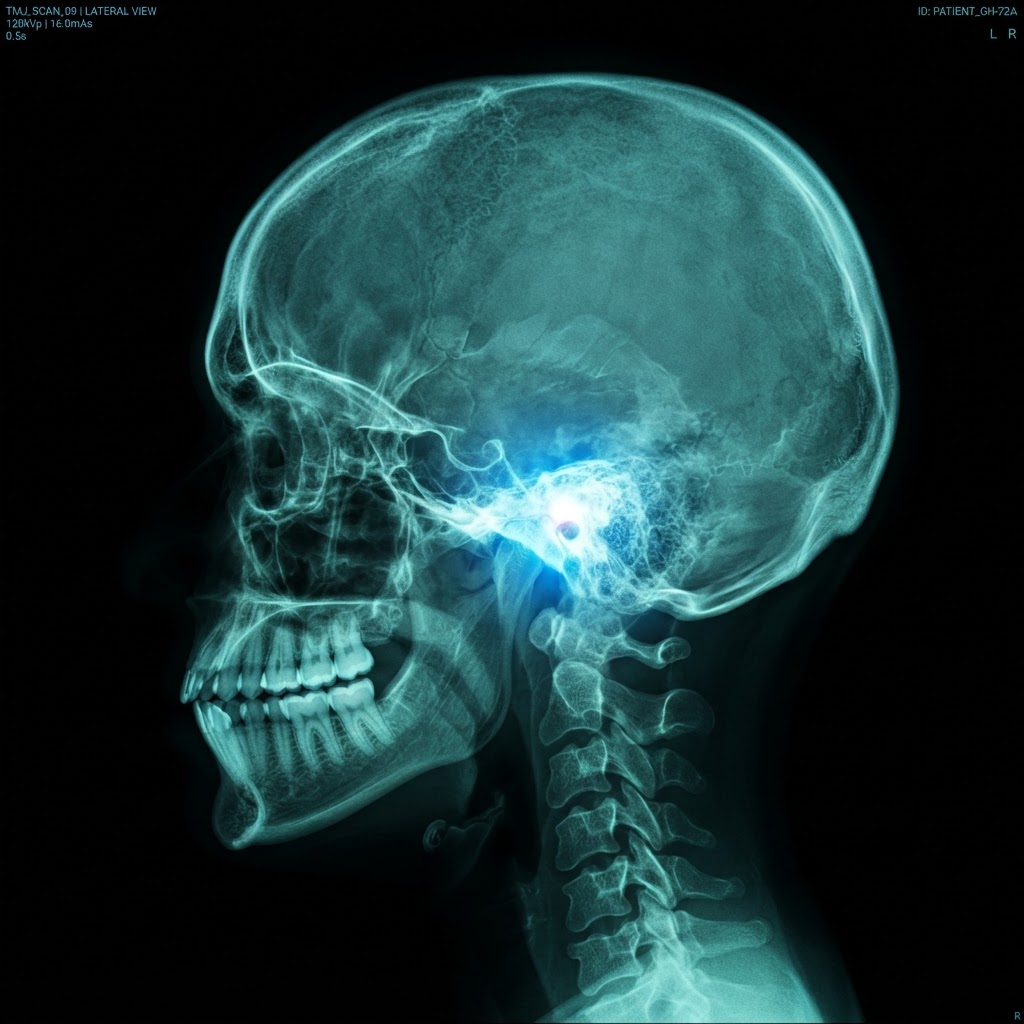
During sleep, soft tissues of the upper airway can narrow or collapse. Oral appliance therapy is designed to support airway space by gently repositioning the lower jaw under professional guidance — a mandibular advancement device approach rooted in dental sleep medicine.
APPLIANCE
A custom oral appliance is different from a generic mouthguard. It is designed to fit the teeth, guide the jaw forward, and support nighttime breathing while allowing comfort, portability, and adjustability — a CPAP alternative for qualified candidates.
COMPARISON
Oral appliance therapy is one treatment option among CPAP, Inspire therapy, positional therapy, surgery, and lifestyle-based approaches. The right pathway depends on diagnosis, severity, anatomy, comfort, adherence, and medical guidance from sleep medicine.
CANDIDACY
Not every person is a candidate for oral appliance therapy. A qualified provider may consider sleep study results, apnea severity, dental health, jaw comfort, bite stability, medical history, and ability to return for follow-up when evaluating obstructive sleep apnea.
ADHERENCE
A treatment only works when it can be used consistently. Many patients explore oral appliance therapy because it is quiet, portable, mask-free, and easier to travel with — but it still requires professional oversight and verification of airway health.
OUTCOMES
Treatment success should be measured, not assumed. Follow-up sleep testing, symptom changes, comfort, side effects, and long-term monitoring help determine whether oral appliance therapy is working as intended for sleep-disordered breathing.
Understanding
restores sleep.
From evaluation to outcomes, every stage of oral appliance therapy is grounded in evidence. Understanding is the first step toward better breathing and better sleep.
Understanding
oral appliance
therapy.
Oral Appliance Center is an independent, education-first resource on oral appliance therapy, sleep apnea, snoring, airway health, CPAP alternatives, Inspire comparison, and evidence-based treatment options. Explore the topics below to learn more.
EDUCATIONAL CONTENT ONLY · NOT MEDICAL ADVICE · CONSULT A QUALIFIED PROVIDER
Compare your
options.
No single treatment is declared superior. Explore how oral appliance therapy compares to other evidence-based options across key dimensions. Always discuss your specific situation with a qualified healthcare professional.
Oral Appliance
CPAP
- 01What severity is my sleep apnea, and would an oral appliance be adequate for my specific AHI?
- 02Have I genuinely tried and not tolerated CPAP, or could CPAP optimization help?
- 03If I start with an oral appliance, can I switch to CPAP later if needed?
Common
questions.
Concise, evidence-based answers to the most common questions about oral appliance therapy, sleep apnea, snoring, CPAP alternatives, Inspire, and dental sleep medicine.
EDUCATIONAL CONTENT ONLY · NOT MEDICAL ADVICE · CONSULT A QUALIFIED PROVIDER